
Step-by-Step: How an Air Ambulance Mission Is Coordinated

When families ask for help from an air ambulance, they usually want the care process to make sense on a day that does not. An air ambulance mission follows a clear sequence, yet each stage depends on careful timing, steady communication, and a team that knows how to guide people through a difficult situation without making the process feel cold or confusing. Here’s the step-by-step on how an air ambulance mission is coordinated, even before it arrives at your location.
The First Call Builds the Case
Your first call provides the coordination team with a starting point for the mission. You’ll share where the patient is, where the patient needs to go, and who the team should contact for medical updates. The coordinator will ask direct questions, because the team needs a clear picture before anyone assigns an aircraft or crew. This part may feel basic, but it keeps the mission grounded in facts instead of assumptions.
A good coordinator will also help you slow the moment down. You only need to give the team the clearest information you have and stay available as they confirm the rest. Once the intake team understands the case, the process begins to take shape, and you should feel less like you are guessing your way through the day.
Medical Review Guides the Next Step
After intake, the clinical team reviews the patient’s condition. They assess current stability and the level of monitoring the patient will require during transport. If they need more detail, they speak with the bedside team or treating physician. This review helps the provider determine the level of medical support needed for the mission.
The review also helps the team spot risks before the patient leaves the sending facility. You should expect clear questions here, as they protect the patient once the mission leaves the hospital room.
The Aircraft Supports the Care Plan
Once the medical team understands the patient’s needs, the operations team evaluates aircraft options. Distance, cabin layout, and weather all affect the final plan. The team also considers how much room the patient and equipment will need during the flight. You may think the aircraft decision comes first, but the care plan should lead the process. The goal is to select the aircraft that fits the medical plan and the route.
The Crew Match Protects the Patient
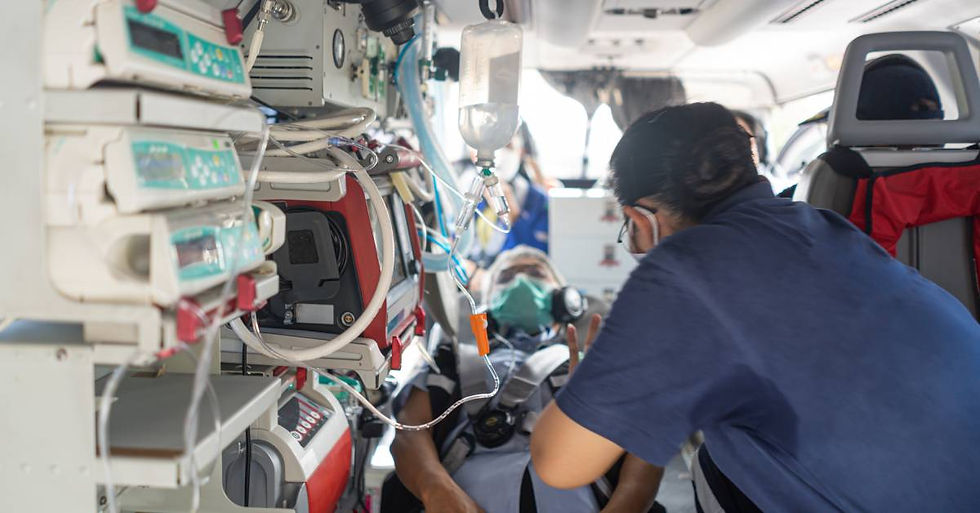
The medical crew brings the care plan to life. Depending on the patient’s condition, the mission may need a flight nurse, physician, or another trained clinician. The provider should match the crew to the patient’s needs before the aircraft departs. That match helps the patient receive the right level of care throughout the transfer.
You should feel comfortable asking who will travel with the patient and what kind of care they will provide. The answer should make sense without sounding like a script.
Logistics Keep the Mission Moving
Once the aircraft and crew are in place, the logistics team begins lining up the rest of the mission. They confirm timing with the sending hospital, the receiving facility, the flight crew, and the ground transport teams. They also watch for weather changes or timing issues that may affect the route. Good logistics work often feels quiet, because the best coordination removes confusion before you see it.
For you, this stage should bring clearer updates. You should know when the crew will arrive and where the patient will go after landing. If anything changes, the provider should explain what changed and what happens next.
Ground Transport Connects the Whole Trip
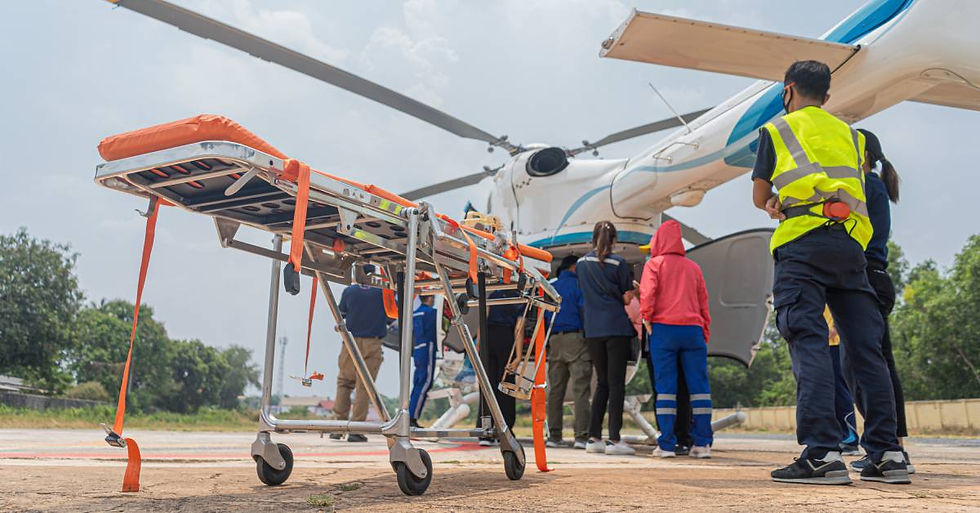
The aircraft handles the flight, but the ground teams connect the mission from bedside to bedside. After landing, the patient needs another ground transfer to the receiving facility. Those handoffs need careful timing, because a single weak link can slow the entire mission. The team usually confirms:
Pickup location inside the sending facility
Ground crew contact details
Equipment needs for safe movement
Arrival plan at the receiving facility
When the ground plan stays clear, the whole mission feels less fragmented. That clarity matters when your family already has enough to carry.
Paperwork Runs Alongside the Mission
Air ambulance coordination also includes paperwork. This part may feel frustrating during an urgent situation, but they still support the mission. A good provider should walk you through what they need and explain each step in plain language. You should not feel lost in forms while the medical plan moves forward.
You may need to share insurance information or confirm financial details before transport moves ahead. Clear communication helps you stay involved without making you feel buried in administrative work.
The Bedside Handoff Sets Up the Flight
Before departure, the flight crew receives a bedside report from the sending medical team. This report gives the crew the latest update on the patient’s condition and recent changes. The team also confirms medication timing and any concerns that may affect movement. This step helps the crew leave with the information they need.
You may not hear every detail of that exchange, but you benefit from it. A clear bedside handoff helps prevent gaps between hospital care and flight care. When that handoff goes well, the flight team starts the mission with a stronger understanding of the patient.
Care Continues in the Air
Once the aircraft lifts off, the mission continues as active medical care. The crew monitors the patient, manages comfort, tracks changes, and follows the plan built during the review. The cabin may look different from a hospital room, but the patient still receives focused attention.
This stage often feels distant for families because they cannot see every moment of care. A good provider should still keep communication open where possible. You should know when the aircraft departs and when the patient reaches the next facility. Those updates help you stay connected to the mission even when you are not in the cabin.
The Final Handoff Brings the Mission Together
The mission does not end when the aircraft lands. The crew still needs to transfer the patient to the receiving facility and give a clear report to the new care team. They also make sure key medical details move with the patient. This final handoff helps the receiving team continue care without losing time. That is how an air ambulance mission is coordinated. It becomes more than a process; it becomes a guided transfer built around the patient.
Blue Sky Aeromedical provides critical care air transport with steady coordination from intake through arrival. Our team stays engaged throughout each stage of the mission, so families understand what is happening as the transport continues to move forward with care and purpose. When a transfer needs close medical attention and strong communication, Blue Sky Aeromedical helps the process feel more guided and less overwhelming. Give us a call today, and let us guide you through the process.


Comments